
Ag foreign threat protection bill narrowed, advanced
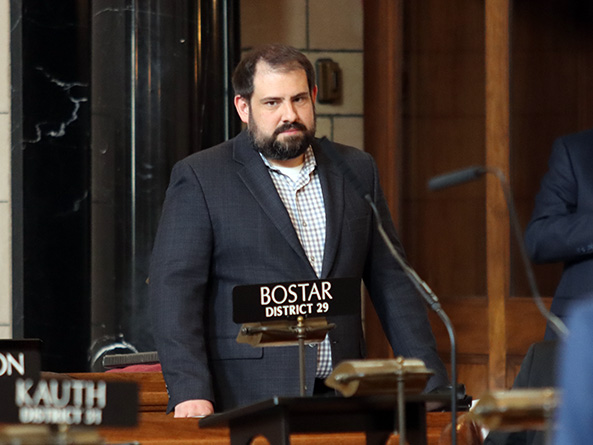
A measure aimed at protecting the state’s agricultural sector and infrastructure from foreign adversary threats was narrowed and given first-round approval March 30.
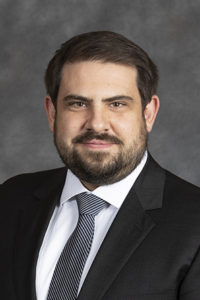
Under LB1096, introduced by Lincoln Sen. Eliot Bostar at the request of Gov. Jim Pillen, unauthorized possession or importation of high-risk agricultural pathogens or pests would be a Class III felony, punishable by up to four years in prison, two years of post-release supervision, a $25,000 fine or both.
The offense could be elevated to a Class IIA felony if it involves concealment of the pathogen’s origin, is committed on behalf of or funded by a foreign government or results in more than $1 million in economic damage.
The bill also would exempt certain sensitive infrastructure and cybersecurity information from the state’s public records laws.
Bostar said the measure would better protect Nebraska’s agriculture and critical infrastructure from emerging threats, including the intentional introduction of harmful pathogens and foreign adversary access to key infrastructure systems.
Several federal agencies, including the U.S. Department of Agriculture, have warned of such risks, he said, and the response to those threats should not fall solely on the federal government.
“It’s all of our jobs to protect agriculture,” Bostar said.
As introduced, the bill would have required companies that operate critical infrastructure to register with the state, limit foreign adversary access, conduct background checks and report cybersecurity incidents. It also would allow the attorney general to review or block certain foreign investments and impose civil penalties on noncompliant communications providers.
A Judiciary Committee amendment, adopted 29-11, removed those provisions and replaced the bill with a scaled-back version that retains the pathogen prohibition and public records exemptions for certain sensitive infrastructure and cybersecurity records.
Additionally, the amendment redefines key terms such as “foreign adversary” and “critical infrastructure” to clarify which entities and systems are covered, and would restrict contracts allowing foreign-linked entities to access or control those systems, with limited exceptions.
It also would authorize fines against telecommunications providers that fail to meet certification requirements and prohibit companies tied to foreign adversaries from receiving state tax incentives.
Lincoln Sen. Carolyn Bosn, chairperson of the committee, spoke in support of the amendment, saying it would address concerns raised by opponents of LB1096 while preserving the bill’s intent to protect critical infrastructure and limit foreign adversary involvement in the state.
Sen. Tom Brandt of Plymouth raised concerns about the bill and questioned whether state action is the appropriate way to address biosecurity and telecommunications issues that typically are dealt with at the federal level.
Allowing all 50 states to adopt their own policies could result in a confusing “hodgepodge” of laws that may complicate enforcement and compliance, Brandt said.
Lincoln Sen. Danielle Conrad opposed the measure, warning it could have unintended consequences similar to previous foreign adversary laws passed by the Legislature that have disrupted business incentives and affected companies with indirect foreign ties.
Additionally, she said, provisions limiting access to infrastructure-related information could weaken Nebraska’s public records laws and “paint with too broad a brush,” potentially reducing government accountability and transparency.
After adopting the committee amendment, senators voted 31-9 to advance LB1096 to select file.

