

Human trafficking bill narrowed, advanced
A measure intended to help combat human trafficking was amended and advanced from general file Jan. 28.
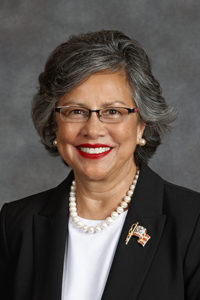
LB320, sponsored by Sen. Rita Sanders of Bellevue, initially would have expanded the role of the state’s existing Human Trafficking Task Force.
As introduced last session, the measure would add hotels and other lodging establishments to the list of public spaces that are required to display informational posters developed by the state Department of Labor regarding human trafficking.
Sanders said more than half of all states have laws requiring hotel employees to take an active role in preventing human trafficking. LB320 would help ensure that workers in an industry on the front lines of the problem are aware of how to recognize the signs of human trafficking and how to report concerns appropriately, she said.
“That awareness can mean the difference between someone remaining trapped and someone getting help,” Sanders said.
Under the bill as introduced, the state Department of Labor would be required to develop regulations and enforce provisions for optional hotel employee training, within 180 days of being hired, on identifying and reporting trafficking, differentiating between labor and sex trafficking and understanding employees’ legal responsibilities.
Hotel employee training would use existing training materials developed by the state Attorney General’s Human Trafficking Task Force.
A Business and Labor Committee amendment, adopted 33-4, would remove task force involvement and instead allow the attorney general, the state Department of Labor and hotels to work together to approve human trafficking training.
The committee amendment also would remove the requirement that optional training must be provided within the first 180 days of employment. Finally, it would require display of the Nebraska trafficking hotline number rather than the national hotline.
Lincoln Sen. George Dungan supported the intent of the bill, but raised concerns that it would provide a “liability shield” for hotel owners that facilitate human trafficking in their establishments but display posters and provide training for their employees.
He offered an amendment to remove a section of the bill stating that a hotel owner would not be liable for any act or omission arising out of or related to human trafficking committed by a third party at their establishment unless they “knowingly assist” in the commission of that trafficking.
“What we should not be in the business of doing, colleagues, is protecting entities that negligently act in allowing human trafficking to occur in their facilities,” Dungan said.
Sen. Mike Jacobson of North Platte opposed the Dungan amendment, saying it would require business owners to be responsible for things that might not be under their control. Most hotel owners and even managers don’t reside on the premises, he said, and they shouldn’t be held liable for all actions their employees might take or not take.
The Dungan amendment failed on a 18-28 vote. Twenty-five votes were needed.
Omaha Sen. John Cavanaugh offered and later withdrew an amendment that would have made the hotel employee training mandatory and add language that hotels could be held liable if they “failed to act in a reasonable manner.” He said the changes would make the bill “a little bit stronger.”
Sen. Carolyn Bosn of Lincoln then offered what she characterized as a “compromise” amendment. It would keep the training optional, she said, but maintain the liability language from Cavanaugh’s amendment.
“The goal here is to incentivize these hotels and establishments to complete the training and .. the incentive there is, if you do that, there are some protections for you,” Bosn said.
Following the 38-0 adoption of the Bosn amendment, lawmakers voted 44-0 to advance LB320 to select file.

