
Fee updates proposed for water and waste programs
Livestock producers would pay for a greater share of their state environmental oversight costs under a bill heard by the Natural Resources Committee Jan. 21.
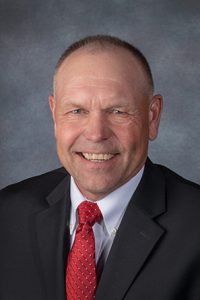
Plymouth Sen. Tom Brandt, sponsor of LB761, said the bill would raise user fees for several programs overseen by the state Department of Water, Energy and Environment in an effort to reduce those programs’ reliance on state general funds.
The bill would require the department to ensure that livestock waste control facility permit fees are adequate to meet 40% of the program’s costs instead of the current 20%. It also would increase the fee to register a water well from $40 to $200.
Additionally, LB761 would authorize the department to collect a fee from hazardous waste generators and assess fees to administer programs under the federal Clean Water Act, including the National Pollutant Discharge Elimination System.
Department director Jesse Bradley testified in support of the bill, saying it would save the agency approximately $1.7 million in state general funds annually.
He said the well registration and livestock waste control facility permitting fees have not been increased in roughly two decades and that the proposed fees are comparable to those charged by neighboring states.
Lash Chaffin testified in opposition to LB761 on behalf of the League of Nebraska Municipalities. He said cities are concerned that the bill would not cap permitting fees the department could charge under the NPDES program, which regulates municipal wastewater treatment and stormwater runoff.
Seth Mitchell gave neutral testimony on LB761 on behalf of the Nebraska Pork Producers Association and several other agricultural organizations. Livestock producers recognize the importance of environmental monitoring and oversight, he said, but they have “sticker shock” at the prospect of doubling their share of program costs in a single step.
“We support a fee structure that is reasonable, equitable, transparent, predictable and competitive with other states,” Mitchell said.
The committee took no immediate action on the bill.

