

Changes to initiative, referendum processes considered
Two proposed changes to Nebraska’s initiative and referendum processes were considered Feb. 20 by the Government, Military and Veterans Affairs Committee.
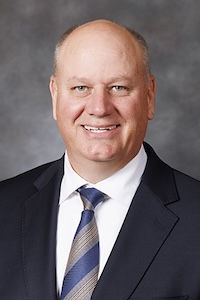
LB604, sponsored by David City Sen. Jared Storm, would extend the timeframe within which a legal challenge to an initiative or referendum petition drive could be launched. Under the bill, the secretary of state’s office would be required to post a sample copy of a petition with the text of the measure and notice that it is in circulation on the office’s website.
If the secretary of state refuses to place the measure on the ballot for any legal insufficiency other than the required number of signatures, that decision would be announced on the same date as the posting notice and would state the reason for refusal. Any legal challenge would be required to commence within 60 days of the notice.
Storm said the intent of the bill is to increase Nebraskans’ access to the initiative and referendum processes by providing more time for a resident to file a legal challenge if they believe that the secretary of state has either improperly placed a measure on the ballot or declined to place a valid measure on the ballot.
Under the current process, Storm said, legal challenges must wait until after the required number of signatures have been certified, sometimes leaving residents mere days to take such legal action. LB604 would extend that timeframe by starting it at the point that the secretary of state posts a sample copy of the petition on the office’s website, he said.
“It would appear that the trend toward more citizen initiatives and referenda will continue in Nebraska,” Storm said. “Given the time, effort and expense undertaken by Nebraskans to place items on the ballot, it is only common sense that we would increase access … to the court process.”
Attorney Andrew La Grone testified in support of the measure on his own behalf. He said that under current law, residents must wait until petition signatures have been verified before bringing a challenge based on legal sufficiency. That process can be lengthy, he said, especially when several petition drives are undertaken in a single election cycle.
La Grone said LB604 would make the process of challenging a ballot measure more efficient by lengthening the timeframe and allowing sufficiency challenges prior to signature gathering.
Spike Eickholt of ACLU Nebraska opposed the measure, which he said would invite litigation on ballot petitions rather than streamline the process as intended. Changing the timeline to allow legal sufficiency challenges before a petition is approved for the ballot would make it difficult to proceed with signature gathering, he said.
LB604 would force groups who support ballot measures to devote resources to attorneys and depositions rather than collecting signatures, Eickholt said.
“This bill contravenes the power of the people to be heard,” he said.
Jo Giles, testifying on behalf of the Women’s Fund of Omaha, agreed. Testifying against the bill, she said the measure would diminish people’s ability to engage in the political process by shortening the time they have to gather the significant number of signatures required statewide and in individual counties.
“Coalition members, and particularly grassroots organizations, must dedicate considerable time to organizing, to door knocking [and] to talking to Nebraskans across our state to gather enough signatures to ideally meet and hopefully exceed those threshold requirements,” Giles said. “Multiple rounds of lawsuits and appeals only serve to disrupt the process and create additional obstacles for citizen-led initiatives.”
A second proposal from Bellevue Sen. Rita Sanders also would change timelines relating to initiative petitions but through a different mechanism. It would not make any changes to the state’s referendum process.

Sanders said she introduced LR23CA at the request of Nebraska Secretary of State Bob Evnen. The run-up to the 2024 general election involved a number of high-profile lawsuits regarding the content of ballot initiatives and the validity of signatures, she said, making it difficult for the courts and the secretary of state to evaluate those legal concerns.
“This proposed constitutional amendment is one idea of how to settle more of these issues before Nebraska voters receive their ballots and cast their votes,” Sanders said.
If approved by lawmakers, LR23CA would place a proposed constitutional amendment on the November 2026 general election ballot to change the deadline for submitting signatures for a petition measure.
Currently, signatures must be submitted four months prior to the general election at which they will appear on the ballot. Under the constitutional amendment, that date would be changed to the second Wednesday in July of the calendar year before the general election.
Wayne Bena, Nebraska Deputy Secretary of State for Elections, testified in favor of the proposal. He said the goal of the measure is to give county election officials more time to verify signatures, while still allowing organizers two years to gather those signatures.
“In 2024, our election officials across the state were pushed to the absolute brink … [it] was the most signatures we’ve ever passed through in the summer of an election year in the history of our state,” Bena said. “We certified the last two petitions the day I certified the election — and that was a little too close for comfort for us.”
Eickholt opposed LR23CA. He acknowledged the difficulties created by the current timeline, but said the proposed changes in the amendment would give lawmakers an opportunity to intervene in the initiative process.
Certifying a ballot measure so far in advance of the general election in which it would appear could give lawmakers an opportunity to “contravene, dilute or thwart” the proposal during the intervening legislative session, he said.
“In addition, if you’re going to put something on the ballot and you’re collecting signatures, it’s difficult, as a practical matter, to sort of get citizen interest in something that’s a year or two down the road,” Eickholt said.
The committee took no immediate action on either proposal.

