

Repeal of in-state tuition for certain immigrant students considered
Certain immigrant students would no longer be eligible for in-state tuition at Nebraska postsecondary institutions under a pair of proposals considered by the Education Committee Jan. 26.

Under current state law, certain categories of non-resident students qualify for in-state tuition, including those who were brought to the U.S. as children, established residency and graduated from Nebraska high schools.
LB870, as introduced by Omaha Sen. Bob Andersen, would eliminate in-state tuition to students seeking relief under the Deferred Action for Childhood Arrivals program. It also would no longer require post-secondary institutions to grant in-state tuition to certain homeschooled students.
Under LB1061, sponsored by Sen. Dave Murman of Glenvil, current language in state law allowing eligibility for those seeking to attain “lawful status under federal immigration law” would be replaced with language limiting eligibility to those who have a “bona fide intention to become lawful permanent residents of the United States.”
Nebraska has allowed DACA students to receive in-state tuition since 2006, when lawmakers enacted the policy over a veto by former Gov. Dave Heineman.
LB870 would repeal much of that law, Andersen said, and reserve in-state tuition for lawful residents.
“LB870 is a simple bill to reimplement common sense and fiscal responsibility,” he said. “In-state tuition rates are lower and [are] a privilege reserved for Nebraska residents.”
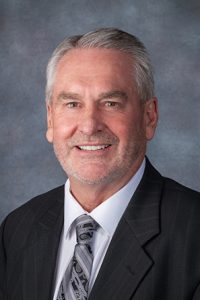
Murman said he and Andersen would work together to advance LB870, warning that Nebraska potentially could face federal scrutiny or costly litigation if the measure does not pass. He cited a 2025 case in Texas in which the U.S. Department of Justice sued over a similar in-state tuition law.
“The federal government may move slowly, but I wouldn’t count out that they may very well take a look here at Nebraska,” Murman said.
Doug Kagan testified in support of both measures on behalf of Nebraska Taxpayers for Freedom, echoing Murman’s comments that failing to act could “incur the wrath of the Trump Department of Justice on our state.”
Ruby Mendez Lopez opposed both measures on behalf of Nebraska Appleseed, saying the current law allows many Nebraska immigrants to access higher education and later contribute to their local communities.
“Immigrant Nebraskans who have accessed college before because of Nebraska’s in-state tuition policy make valuable contributions to our state and fields like health care, business, education, agriculture, social services and many more,” Mendez Lopez said.
Lucia Pedroza-Estrada also opposed the bills, saying they would worsen Nebraska’s “brain drain” by making college inaccessible to some residents.
“You cannot claim to want to retain Nebraska talent while pushing educated, work-ready people out,” she said. “We’re not protecting Nebraska’s future, we’re actively undermining it.”
The committee took no immediate action on either proposal.

