

Juvenile support pilot program reconsidered, advanced
Lawmakers advanced a proposal from general file May 8 that would provide support services to at-risk Omaha youth and their families.
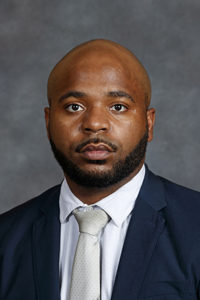
LB48, sponsored by Omaha Sen. Terrell McKinney, would create the Family Resource and Juvenile Assessment Center five-year pilot program to provide culturally relevant services to family and youth involved in or at risk of entering the juvenile justice system.
The measure was debated April 3 and fell three votes short of advancing from general file. It was then amended into another proposal, LB382, sponsored by Pender Sen. Glen Meyer, but was struck from that proposal on the second round of debate May 8.
Given the unusual circumstances, Speaker John Arch of La Vista scheduled LB48 for general file consideration a second time.
As amended when it was initially considered, LB48 would establish two centers within a metropolitan class city to provide 24/7 support services, including youth counseling, parenting support, job training, conflict resolution and substance abuse treatment. Omaha currently is the state’s only metropolitan class city.
The state Department of Health and Human Services would be required to establish a designation process for the centers, which would implement a data collection system to assess program effectiveness, track youth and family outcomes and incorporate feedback directly from those served.
The bill also would appropriate $500,000 annually for each center from the Medicaid Managed Care Excess Profit Fund.
McKinney said the pilot program seeks to address the root causes of juvenile justice involvement, build community trust and provide culturally informed services and equitable opportunities for youth and families.
“Too often, families lack access to support services that could prevent youth from becoming system involved,” McKinney said.
Sen. Ashlei Spivey of Omaha supported the proposal. Coordinated services rooted in addressing trauma and adverse childhood experiences save taxpayer dollars by removing the cost of incarceration, she said, and provide families with the support needed to become successful.
“People cannot actualize self-sufficiency if they do not have the resources to get there,” Spivey said.
Lincoln Sen. Carolyn Bosn also supported the bill and said the pilot program would target youth who may be overlooked by other programs.
“Everybody wants to work with the [youth] most likely to be successful, [but] nobody is willing to try something different and work with the youth who are less likely to be successful,” Bosn said.
Sen. Merv Riepe of Ralston opposed the bill, saying there already are several programs in Omaha committed to intervention and juvenile justice. He recommended conducting an interim study to evaluate specific community needs before moving forward with the measure.
“We need a detailed plan,” Riepe said. “We must be reminded [that] simply having hope is not a formal plan.”
Senators voted 30-7 to advance LB48 to select file.

